
For decades, secondary and tertiary education has operated under a false, destructive binary: academic institutions that produce theoretical papers with zero market application, and vocational craft centers that teach manual trades divorced from technology, brand design, and modern commerce. This division has crippled the economic readiness of an entire generation.
The Failure of Obsolete Technical Models
Traditional vocational education carried an unfortunate social stigma precisely because it failed to provide graduates with commercial agency. Carpentry was taught without computer-aided design (CAD) or modern joinery. Tailoring was taught without brand storytelling, supply chain logistics, or e-commerce integration. As a consequence, parents viewed vocational tracks as an inferior alternative for students who 'could not handle academics.'
In the modern economy, this divide is absurd. The most lucrative and resilient enterprises in the world are born at the intersection of deep technical craftsmanship and sophisticated digital execution. A master woodworker who understands CNC machinery and direct-to-consumer digital marketing operates at an echelon that traditional technical schools never imagined.
The Anatomy of a School-Based Innovation Hub
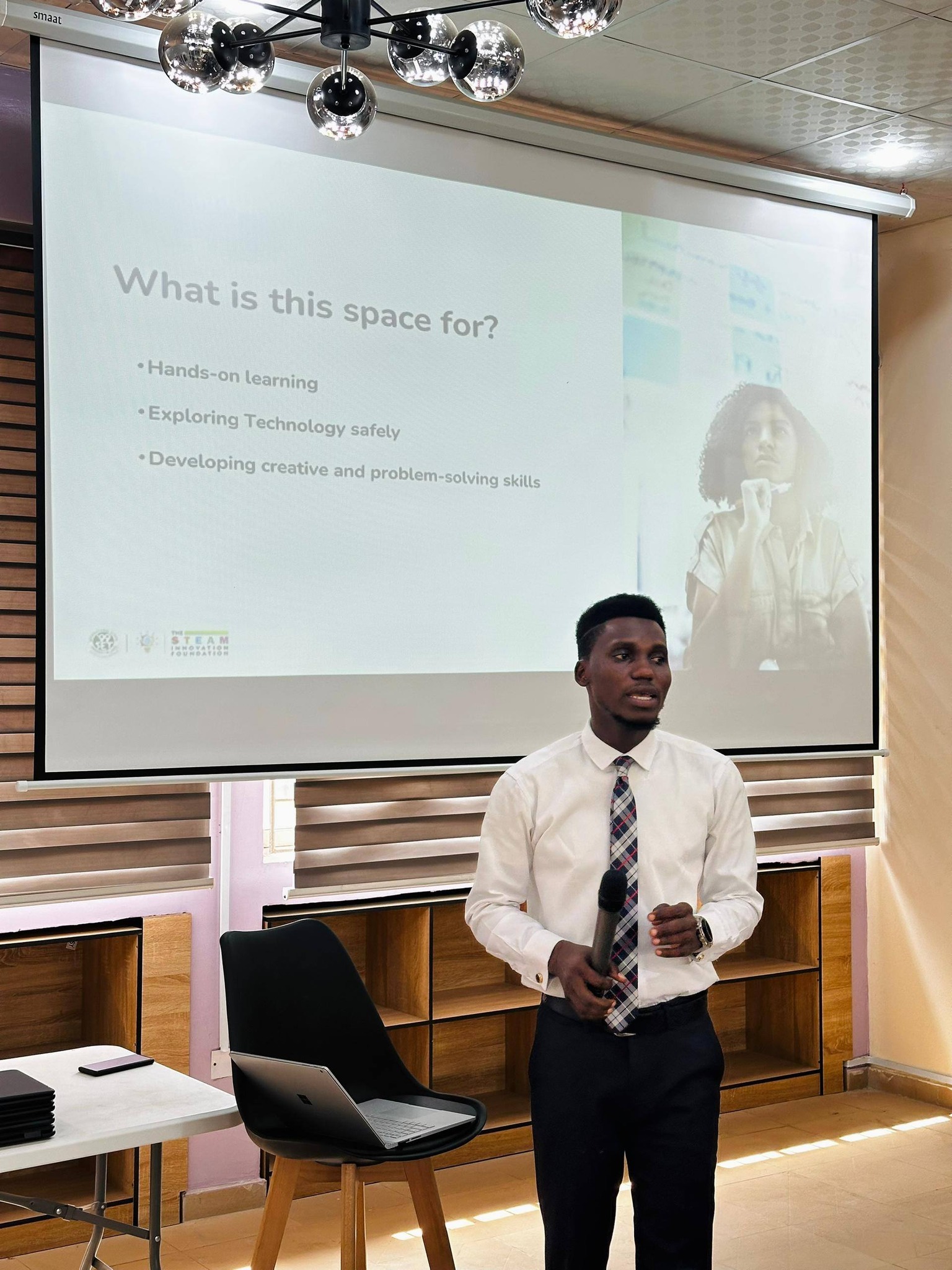
An institutional innovation hub is not a dusty computer lab where students practice typing exercises. It is a live incubation engine embedded directly into the school's operational framework.
In a properly architected hub, a student studying biology collaborates with a student in computer science to prototype IoT-enabled hydroponic farming systems on campus grounds. Students in art and literature collaborate with media specialists to produce commercial podcasts, publications, and branding campaigns for real external clients. The campus ceases to be an isolated academic ivory tower; it becomes an active economic engine.
“A student should never have to wait until they hold a university degree before they experience the thrill of creating something that real people are willing to pay for.”
— Steven Loya, Strategic Advisory Insights
Key Operational Guidelines for School Founders
When advising educational institutions on establishing innovation hubs, I recommend four structural mandates:
Core Strategic Pillars
- Dual-Track Credentialing: Every student should leave school with both academic credentials and verified mastery in at least one commercially viable trade or digital craft.
- Internal Enterprise Procurement: The school itself must become the hub's first client—contracting student teams for campus website design, event photography, organic food production, or campus apparel.
- Revenue-Sharing Capital Loops: A portion of revenue earned by student-led enterprise teams is returned to students as stipends, while another portion replenishes hub machinery and tools.
- Practitioner-in-Residence Rotations: Bring seasoned commercial founders, artisans, and senior engineers into the school each month to critique student prototypes with real-world standards.
The Institutional Imperative
“When school founders build vocational innovation hubs, students stop anxiously asking 'Who will hire me?' and begin confidently demonstrating what they have already built.”